Skin texture, hydration and how the face ages
A practical explanation of how texture and hydration change over time, and what an in-person skin assessment looks at.

A practical explanation of how texture and hydration change over time, and what an in-person skin assessment looks at.
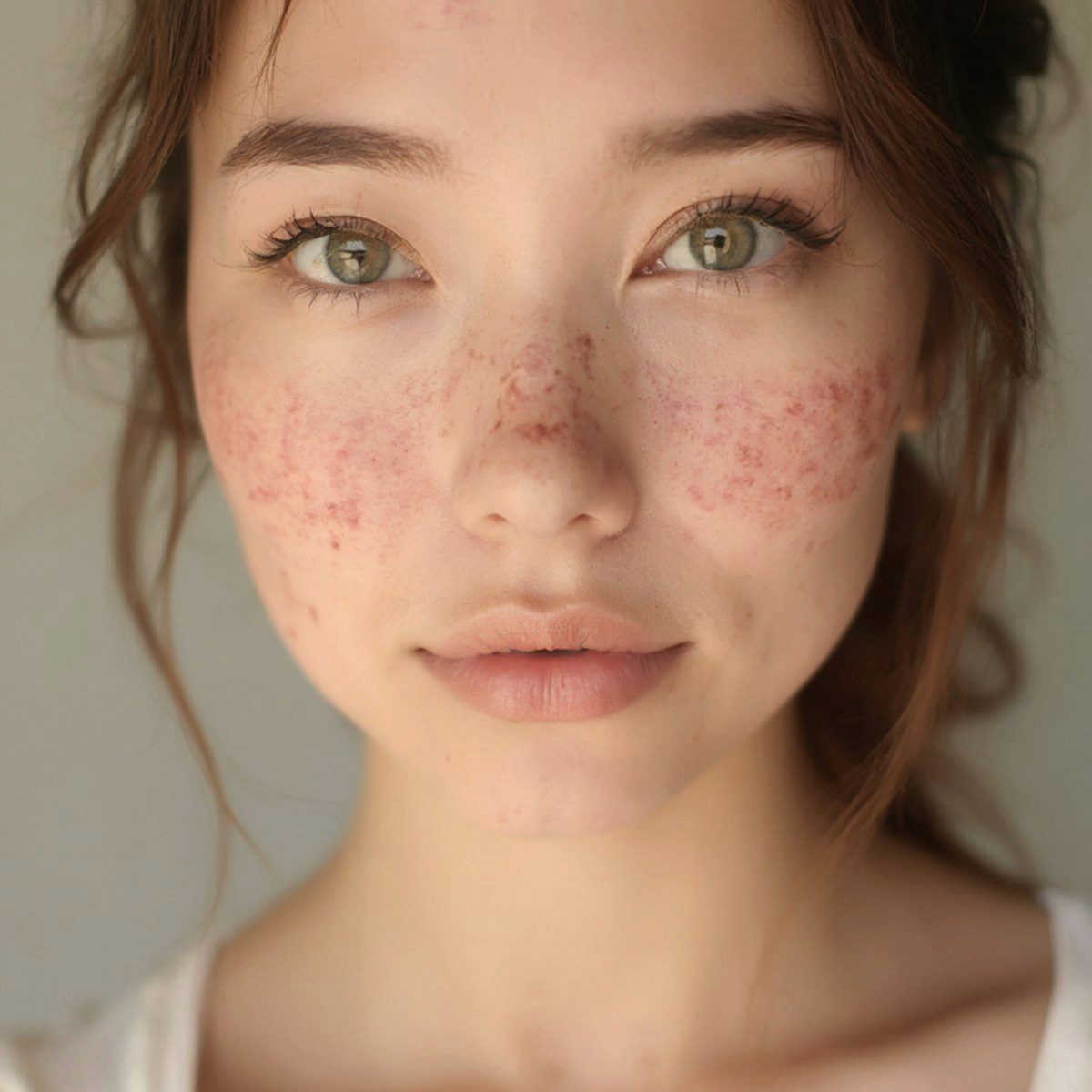
Skin texture, hydration and facial ageing are often talked about as separate things. In practice they are closely linked, and understanding how they connect makes it easier to think clearly about your own skin. This article explains those links in plain terms and outlines what an in-person skin consultation with Jolene in Richmond actually assesses.
Texture is how the surface of the skin looks and feels. Smooth, even skin reflects light in a soft, consistent way. Uneven texture scatters light, which can make skin look rougher, more tired or less refined even when the underlying tone is fine.
Texture is shaped by many things at once: the size and appearance of pores, surface roughness, the evenness of the outer skin layer, and how well the skin is holding water. Because so many factors feed into it, texture is best understood as a result rather than a single problem to name.
Hydration refers to the water content of the skin. Oiliness refers to the sebum the skin produces. They are different, and a common source of confusion is treating one as if it were the other. Skin can be oily and still lack water, and it can feel dry without being short of oil.
When the skin is well hydrated, the surface tends to look plumper and smoother, and light reflects more evenly. When water content drops, fine surface lines can become more noticeable and texture can look rougher, even though nothing structural has changed. This is why hydration and texture are so often discussed together.
The outer layer of skin also acts as a barrier that helps hold water in. When that barrier is working well, skin retains moisture more easily. When it is compromised, water is lost more readily and the skin can feel tight, look dull or become more reactive.
Facial ageing is not one process. It is several changes happening at once across the skin surface, the deeper skin, and the support structures beneath. Understanding this helps explain why skin can change in look and feel even when you have not changed anything you do.
At the surface, cell turnover tends to slow with age, which can affect how smooth and bright the skin appears. Within the skin, the components that give it firmness and bounce gradually change over time. The skin's ability to hold water can also shift, which is part of why hydration often becomes a more noticeable factor with age.
Because texture, hydration and ageing draw on overlapping factors, a change in one is often felt in the others. Lower hydration can make age-related texture changes look more pronounced. Ageing skin can hold water less readily, which affects hydration. And uneven texture can make skin look older than it otherwise would.
This is why it rarely makes sense to look at a single feature in isolation. The more useful question is how these elements are behaving together for you, and which factors are contributing most to what you are noticing.
Skin does not exist in a vacuum. Daily habits and environment influence texture and hydration in ways that are easy to underestimate.
None of this is about chasing perfection. It is about understanding what is within your influence, so that any care you consider sits alongside sensible daily habits rather than trying to compensate for their absence.
The in-person consultation in Richmond runs for approximately 45 minutes and is led by Jolene, a cosmetic nurse. Rather than looking at one feature, the assessment considers your skin as a whole and how texture, hydration and ageing are presenting together for you.
Jolene will look at your skin's surface and overall condition, ask about your routine and general health, and talk through what you are noticing and hoping to address. Your medical history is reviewed as part of this, because what may be appropriate is always individual.
From there, the discussion turns to what the assessment suggests, what options might be worth exploring, and how their potential benefits, risks and limitations differ between people. The aim is a clear, honest picture rather than a fixed script, so you can make an informed decision about whether to proceed at all.
This article is general education and not medical advice. It does not diagnose your skin or describe any specific treatment or outcome. What is suitable for you can only be determined through an in-person assessment, and no result is promised beforehand. A $30 booking deposit applies, and there is never any pressure to proceed.
If your skin's texture or hydration has changed and you want to understand why, an in-person skin consultation in Richmond is a practical place to start.
The information on this page is general in nature and is not medical advice, a diagnosis, or a recommendation for any specific treatment or product. Any procedure carries risks. Whether any option is appropriate for you, and what those options and risks are, can only be determined during an in-person consultation. Results and risks differ between individuals and no outcome is guaranteed.
Not quite. Dryness usually refers to a lack of oil, while dehydration refers to a lack of water. Skin can be oily yet still low in water. During a consultation, Jolene considers both, since each affects texture and how your skin looks.
Uneven texture scatters light, so direct or angled light makes surface roughness and fine lines more visible. Hydration levels also play a part, which is why the same skin can look smoother or rougher at different times.
An in-person assessment in Richmond can review your skin, routine and history to help identify the factors contributing to what you are noticing. It is general guidance rather than a diagnosis, and any options are considered on an individual basis.
A approximately 45 minutes in-person appointment with Jolene in Richmond. A $30 booking deposit secures your appointment. There is no obligation to proceed.