How a practitioner assesses facial balance
What a facial balance assessment actually examines, and why proportion is read across the whole face rather than one feature at a time.

What a facial balance assessment actually examines, and why proportion is read across the whole face rather than one feature at a time.
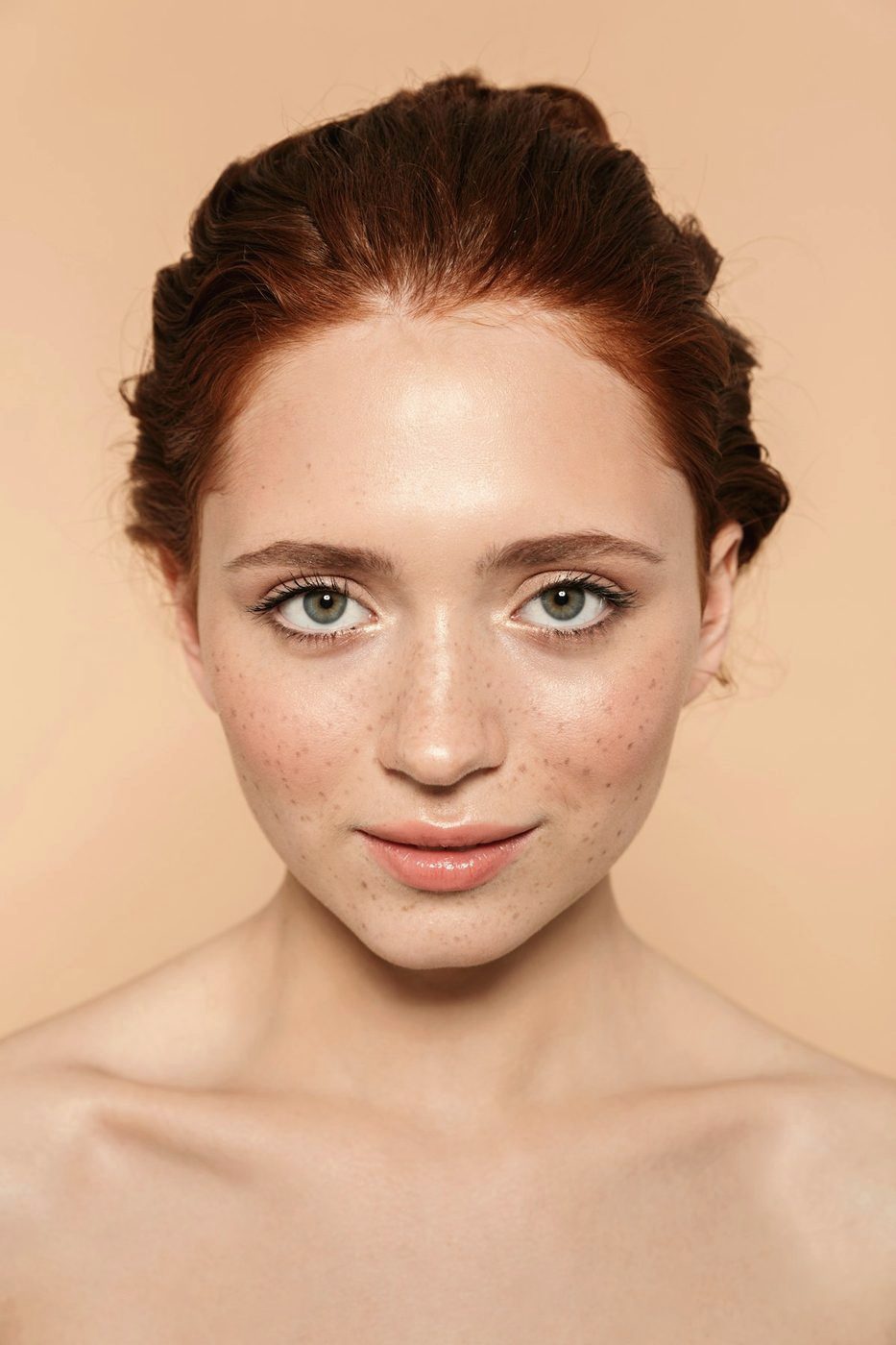
People often arrive at an aesthetic clinic focused on a single feature: the chin, the cheeks, the line of the jaw. But a practitioner rarely assesses that feature on its own. A facial balance assessment reads the face as a set of relationships, because how one area looks depends heavily on everything around it. This article explains what that assessment involves and why it is approached the way it is.
At Beauty Pharm Supply Clinic in Richmond, a facial balance assessment is part of an in-person consultation led by Jolene, a cosmetic nurse. It is a structured examination, not a subjective opinion delivered at a glance. The point is to understand your face accurately before any options are discussed.
The eye reads faces in relative terms. A chin does not look strong or recessed in isolation; it looks that way in relation to the nose, the lips and the neck. A cheek does not read as flat on its own but against the eye socket and the mid-face beside it. Because perception works comparatively, assessing a single feature without its context tends to produce misleading conclusions.
This is why a practitioner examining one concern will usually look well beyond it. The feature you are worried about may be behaving exactly as expected, with the imbalance you are noticing actually sitting somewhere adjacent.
A common starting framework divides the face horizontally into thirds: hairline to brow, brow to the base of the nose, and the base of the nose to the bottom of the chin. These thirds are rarely identical in any real face, and they are not meant to be. The framework is a reference for noticing where proportions sit, not a rulebook that every face should be forced to obey.
Alongside the thirds, a practitioner considers vertical relationships and the width of the face at different levels. The relationship between the width of the eyes, the base of the nose and the mouth is one example that gets attention during an assessment.
Every face is asymmetric to some degree, and mild asymmetry is normal and often unremarkable. A facial balance assessment is not a hunt for perfect symmetry, because perfect symmetry does not exist in nature and is not the goal. What a practitioner looks for is whether an asymmetry is noticeable enough to be contributing to the concern you have raised.
Jolene will often compare the left and right sides methodically, at rest and in movement. Some asymmetries are structural and consistent; others appear only with certain expressions. Distinguishing between the two matters, because they are understood and discussed differently.
A face at rest tells only part of the story. Features shift when you smile, frown, speak and raise your brows, and those movements are part of how others actually see you. A thorough assessment includes watching the face in motion, which is why you may be asked to make a range of expressions during the appointment.
Reading movement helps a practitioner understand which parts of a concern are dynamic and which are present regardless of expression. It also gives a sense of how your features naturally animate, which is worth preserving rather than flattening.
What you see on the surface sits over bone, deeper support tissue, muscle and skin. The appearance of the mid-face, for instance, depends not only on the surface but on the underlying support beneath it and the skin quality on top. A practitioner assessing facial balance is reading these layers together, because a surface observation without the structure behind it is only half the picture.
Once the assessment is complete, Jolene will explain what she has observed in plain terms and set out whether any options may be appropriate. Because balance is individual, so are the findings. Options, risks and results differ between individuals, and in some cases the most sensible conclusion is that a concern is better addressed another way, or does not need addressing at all.
You should expect the limitations to be explained honestly. Adjusting one area can change how neighbouring areas read, and that ripple effect is part of what a balance-led assessment is designed to anticipate and talk through with you before anything is decided.
A facial balance assessment is not something done to you while you sit passively. Your own sense of what you like about your face, and what you would rather not change, is a legitimate and important input. Bringing photographs of yourself over time, or reference images, can help you and the practitioner describe the same thing accurately.
This article is general information only and is not personal medical advice. A facial balance assessment can only be carried out during an individual in-person consultation, and what is appropriate for you cannot be determined from an article. For any specific concern, seek advice from a qualified health practitioner.
Understanding that your face is assessed as a whole, rather than as a list of separate parts, tends to make the consultation more useful. It reframes the appointment around how your features relate to one another, which is closer to how the face is actually seen.
The information on this page is general in nature and is not medical advice, a diagnosis, or a recommendation for any specific treatment or product. Any procedure carries risks. Whether any option is appropriate for you, and what those options and risks are, can only be determined during an in-person consultation. Results and risks differ between individuals and no outcome is guaranteed.
No. Every face is naturally asymmetric to some degree, and that is normal. An assessment looks at whether any imbalance is noticeable enough to relate to your concern, not at making the two sides identical.
The eye reads faces comparatively, so one feature is affected by those around it. Examining neighbouring areas helps identify where an imbalance actually originates, which may not be where you first noticed it.
Often, yes. Watching how your face moves helps a practitioner tell which parts of a concern appear only with expression and which are present at rest, and the two are understood differently.
A approximately 45 minutes in-person appointment with Jolene in Richmond. A $30 booking deposit secures your appointment. There is no obligation to proceed.